Steel Belt Pulleys in Elevators
Safe, Efficient, and Long-Lasting Solutions
Today, elevator systems are expected to do more than simply transport people between floors; they must simultaneously meet numerous requirements, including energy efficiency, quiet operation, low maintenance costs, and a long service life. Modern elevator technologies used particularly in high-rise residences, business centers, and commercial buildings are continuously evolving to meet these needs.
One of the most important components of this development is steel belt technology, which is beginning to replace traditional steel rope systems. The most critical components determining the performance of steel belts are the pulleys on which they operate. The pulley’s manufacturing quality, geometric accuracy, and material used play a direct and decisive role in the system’s safety, operating performance, and service life.
At Artı Kasnak, we are aware of the precision required by this technological transformation. By combining our experience in cast production with advanced CNC machining technologies, we manufacture high-precision Steel Belt Pulleys suitable for elevator systems of different brands and models. By prioritizing quality, dimensional accuracy, and long-lasting operating performance at every stage of production, we aim to provide reliable and sustainable solutions for projects.
What Is a Steel Belt Pulley?
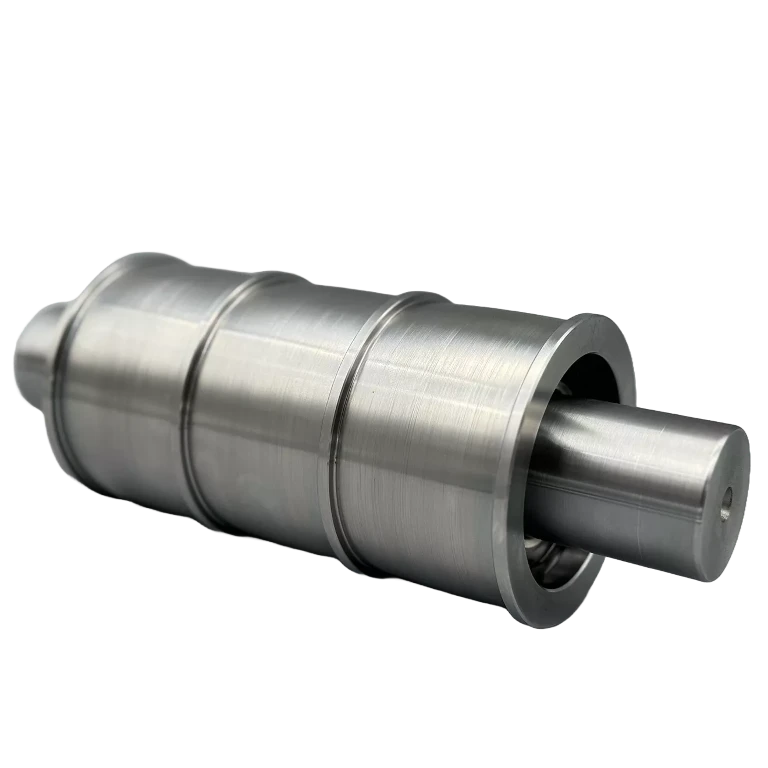
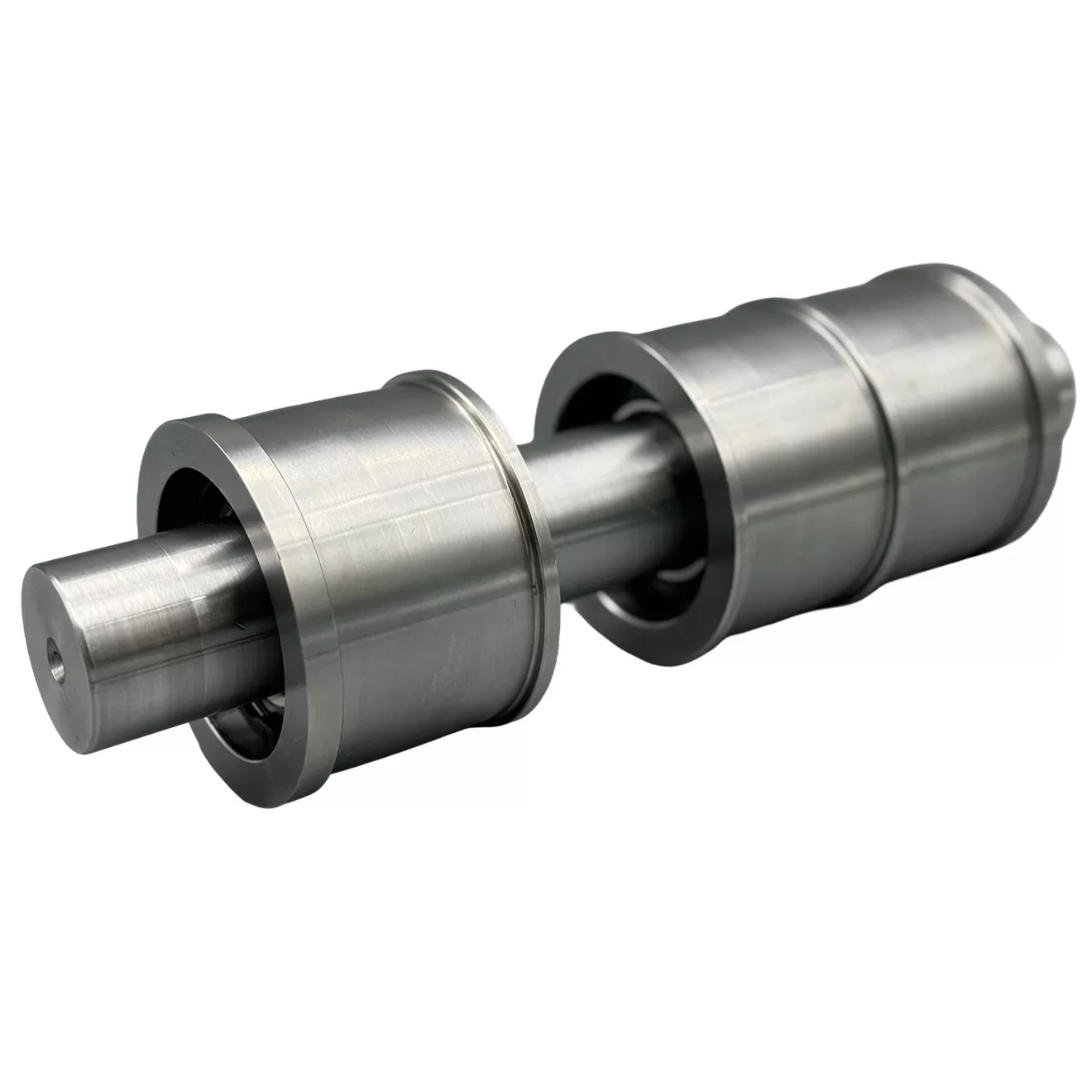
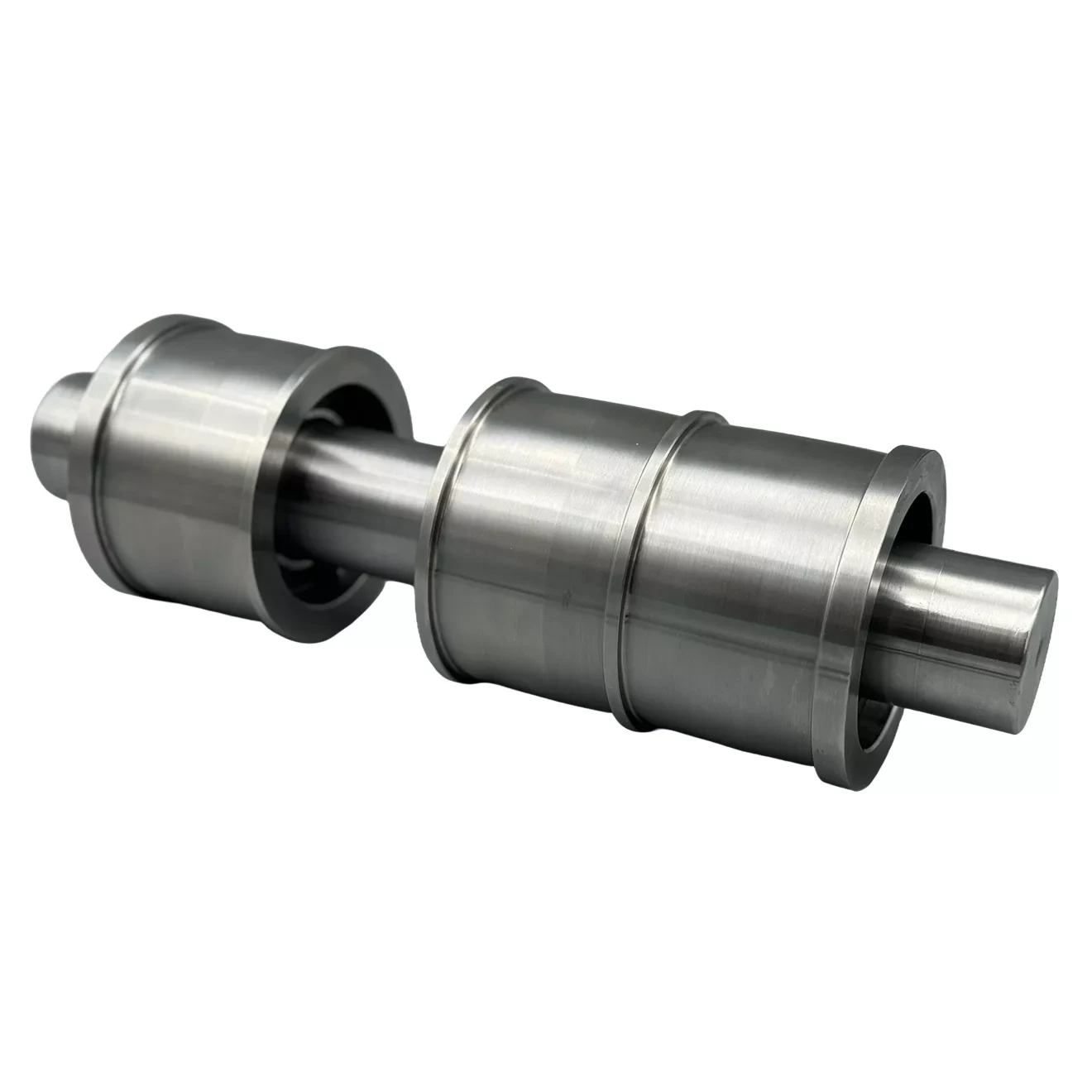
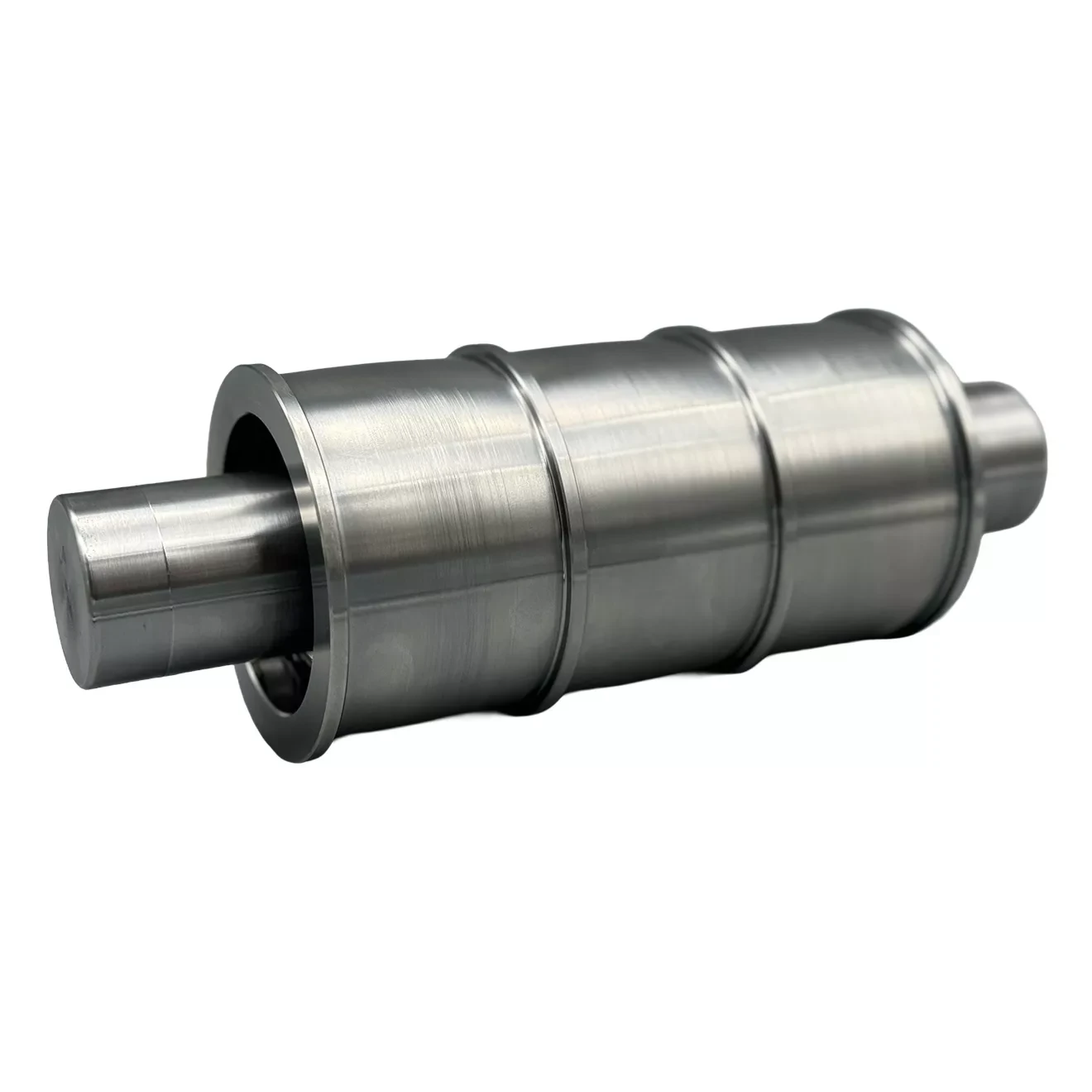
A Steel Belt Pulley is a drive and guiding component on which flat elevator belts containing high-strength steel cords within a polyurethane coating operate. By transferring the rotational motion generated by the motor to the car through the belt, it contributes to the balanced, safe, and efficient operation of the system.
Unlike traditional rope pulleys, Steel Belt Pulleys feature wide, precisely machined working surfaces that ensure full contact between the belt and the surface instead of narrow rope grooves. This allows the load to be distributed more evenly, keeps the tension on the belt under control, and extends the service life of system components.
At Artı Kasnak, we attach particular importance at every stage of our production process to ensuring that the pulley surface geometry is fully compatible with the steel belt. Even the smallest difference in surface-form tolerances can, over time, cause irregular belt wear, vibration, and performance losses.
For this reason, the pulleys’ machining, surface roughness control, and dimensional accuracy are meticulously carried out on high-precision CNC machining centers. Artı Kasnak’s production approach is not merely to manufacture a part that meets technical specifications, but to offer durable, high-quality solutions capable of operating reliably for many years.
Why Is Steel Belt Technology Preferred in Modern Elevators?
Next-generation steel belt systems used in the elevator industry offer numerous technical advantages over traditional rope systems. They are widely preferred, particularly in machine-room-less (MRL) elevators, because they allow more compact designs, operate quietly, and reduce maintenance costs.
More Compact Designs
Steel belts have a considerably smaller bending radius than conventional steel ropes. This allows smaller-diameter pulleys to be used. Reducing the size of the pulley and motor enables the system to occupy less space and operate more efficiently.
Energy Efficiency
Smaller pulley and motor combinations reduce power consumption while increasing mechanical efficiency. This contributes positively to operating costs, particularly in heavily used buildings.
Quiet and Comfortable Operation
Polyurethane-coated steel belts significantly reduce vibration and noise generated during operation. This provides passengers with a more comfortable experience and building occupants with quieter operation.
Longer Service Life
Steel belt systems operating with properly designed pulley geometry balance the tension distribution across the belt. This helps both the belt and mechanical components operate reliably for longer periods.
The Importance of Choosing the Right Material in Pulley Manufacturing
Steel Belt Pulleys are machine components that operate under continuous load. Therefore, the mechanical properties of the cast material used directly affect system performance.
At Artı Kasnak, we use GG25 gray cast iron and GGG50 ductile cast iron materials in our production according to project requirements.
GG25 Gray Cast Iron
GG25 is a cast material with high vibration-damping capability and machinability. It is widely preferred for medium-capacity passenger elevators. Thanks to its homogeneous structure, it is suitable for precision surface machining and can maintain its surface quality for a long time.
GGG50 Ductile Cast Iron
Thanks to its high tensile strength and impact resistance, it delivers reliable performance under demanding operating conditions. It is one of the preferred materials for high-speed elevators, heavy-load lifting systems, and projects requiring intensive use.
How Is a Steel Belt Pulley Manufactured at Artı Kasnak?
Every stage of our production process is planned to achieve long-lasting and reliable products.
Project Planning and Technical Evaluation
Before production begins, technical drawings or sample parts received from the customer are examined in detail by our engineering team. The belt type, dimensions, shaft connections, and operating conditions are evaluated, and the production model is prepared.
Controlled Casting Process
Chemical analyses are regularly checked during casting. Controlled production processes are applied to ensure a homogeneous material structure and prevent internal defects. This enables high surface quality to be achieved during subsequent machining stages.
Precision CNC Machining
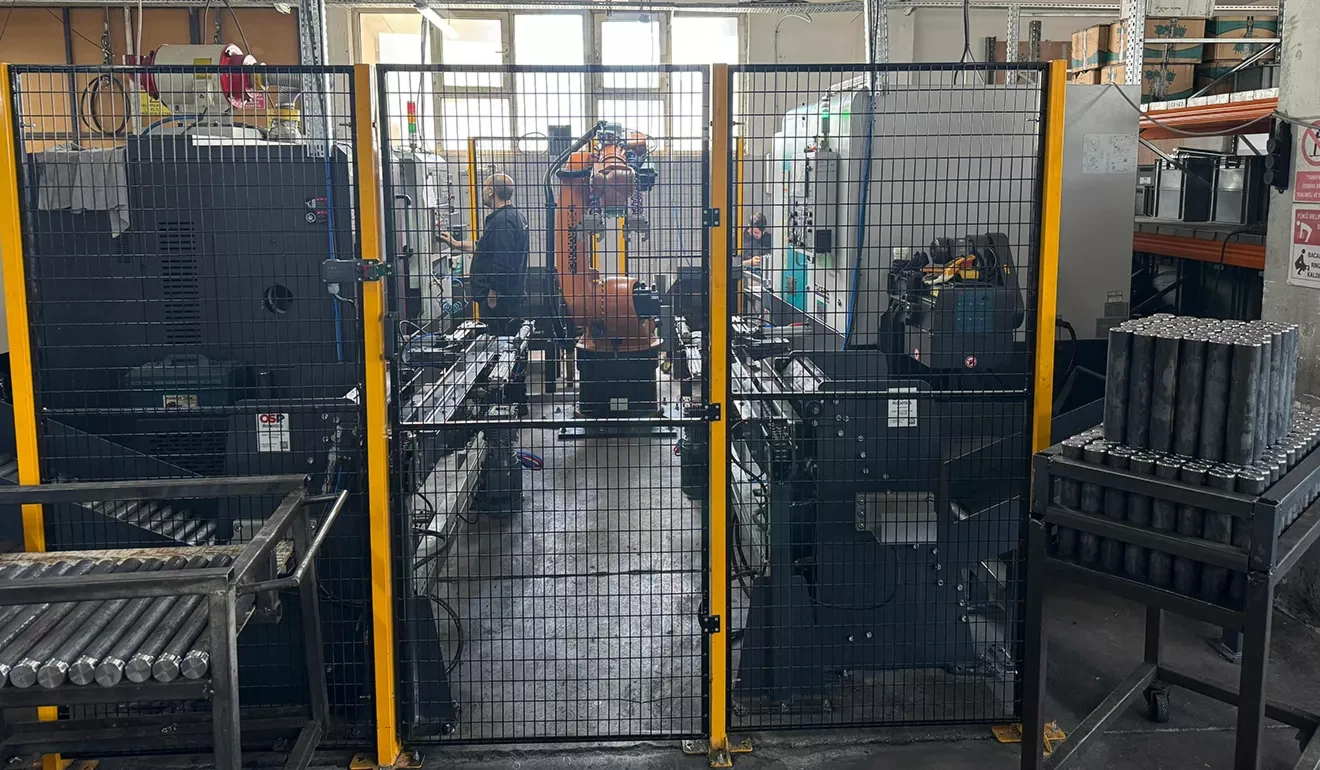
The surface of the pulley that contacts the belt is machined on high-precision CNC machines. Crowned geometries that keep the belt centered, or flanged designs according to the system’s requirements, are produced at the micron level.
Surface roughness is controlled to prevent defects that could adversely affect the belt’s service life.
Dynamic Balancing and Quality Control
Every completed pulley undergoes balancing tests. Necessary balancing corrections are made to prevent unbalanced operation, vibration, and bearing loads.
At the final stage, critical dimensions are checked using three-dimensional measuring equipment, and products approved for quality are prepared for shipment.
Steel Belt Pulley Manufacturing in Custom Dimensions
Not every elevator system has the same dimensions and technical specifications. Therefore, project-specific solutions are also highly important alongside standard production.
At Artı Kasnak, we can manufacture according to our customers’ technical drawings, as well as create new production models by carrying out reverse engineering studies based on sample parts.
Shaft dimensions, connection details, belt width, groove structure, and other technical specifications are redesigned according to the project and put into production.
Why Artı Kasnak?
With many years of manufacturing experience in the elevator industry, we operate not merely as a company producing cast parts, but as a solution partner that manages design, production, and quality processes holistically.
Thanks to our production infrastructure, we can manage processes such as;
GG25 and GGG50 casting options,
high-precision CNC machining,
dynamic balancing applications,
custom-dimension manufacturing,
reverse engineering support,
packaging suitable for international shipping
under one roof.
Frequently Asked Questions
This choice varies according to the belt type used and the design of the elevator system. In some applications, a slight crown geometry keeps the belt centered, while flanged designs are preferred in certain systems.
This conversion is possible in many modernization projects. After evaluating the existing motor, shaft dimensions, and load capacity, a suitable pulley design can be prepared.
Yes. For parts without technical drawings, we can carry out dimensional analysis and modeling using reverse engineering methods to produce new parts.
Products shipped for export are packaged in accordance with international transportation standards, with protective treatments applied against the risks of impact, moisture, and corrosion during transport.